 9.4
9.4
Bike pumps / Shock pumps
Collection
Shock Pump Bike Pumps
As of 2026-10-21
Specialized high-pressure pumps for tuning mountain bike suspension forks and rear shocks 70 pumps · 46 brands
Presta valve pumps
Schrader valve pumps
With pressure gauges
Mini pumps
Road
Aluminum
Mountain
Floor pumps
For balls
Cheap
With hoses
Black
120 PSI pumps
160 PSI pumps
Electric
Motorcycle pumps
CO2 inflators
Hand pumps
Frame-mounted pumps
Steel
100 PSI pumps
Shock pumps
Auto-stop pumps
Foot pumps
150 PSI pumps
Dunlop valve pumps
Digital
Silver
E
Dual head pumps
300 PSI pumps
Rechargeable pumps
16g CO2 pumps
Red
Tubeless tire pumps
With LED lights
Blue
25g CO2 pumps
Gray
Kids'
Stroller pumps
20g CO2 pumps
Fits 16 inch
Green
Best Shock Pump Bike Pumps
9.4
 9.4
9.4
 9.4
9.4
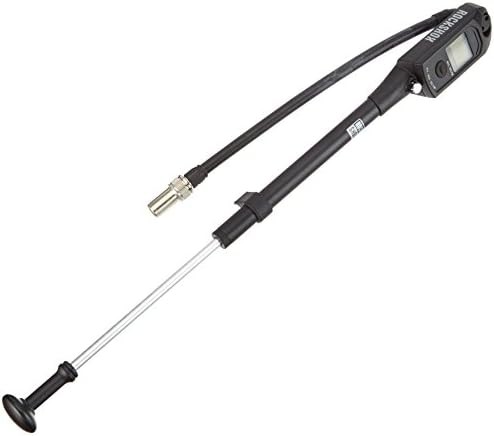
RockShox
High pressure fork shock pump with digital gauge
$82.22
With pressure gauges Aluminum Mountain With hoses Digital
 9.3
9.3
 9.2
9.2
 9.0
9.0

 9.0
9.0
 8.5
8.5
Ruida
Alloy suspension fork and shock pump
$26.98
Presta valve pumps Schrader valve pumps With pressure gauges Aluminum With hoses
 8.4
8.4
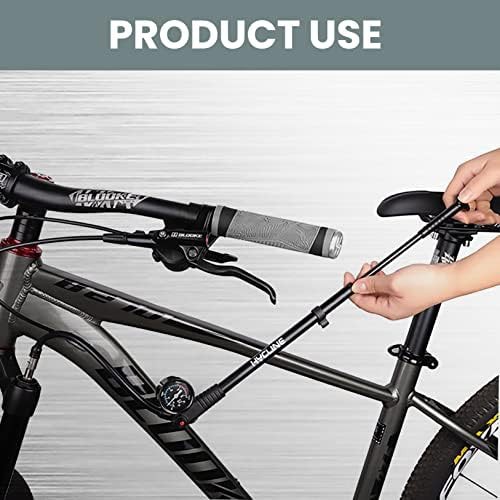
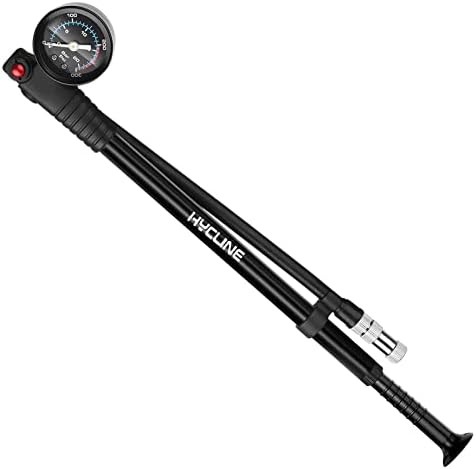
Hycline
Black Suspension Shock Pump 300 PSI
$19.99
Black Presta valve pumps Schrader valve pumps With pressure gauges Road Mountain
 8.3
8.3
 8.3
8.3
 8.2
8.2
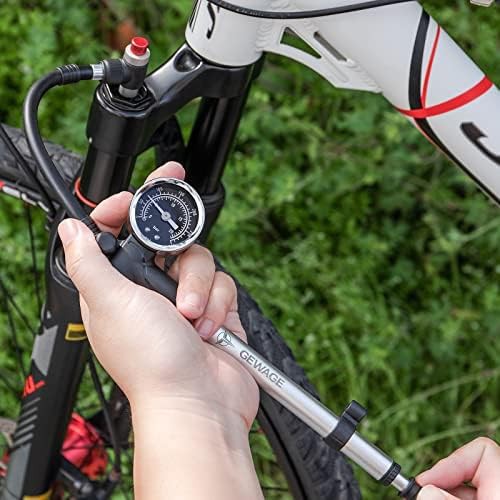
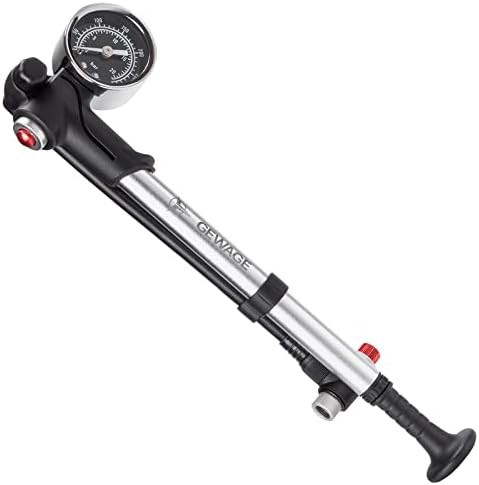
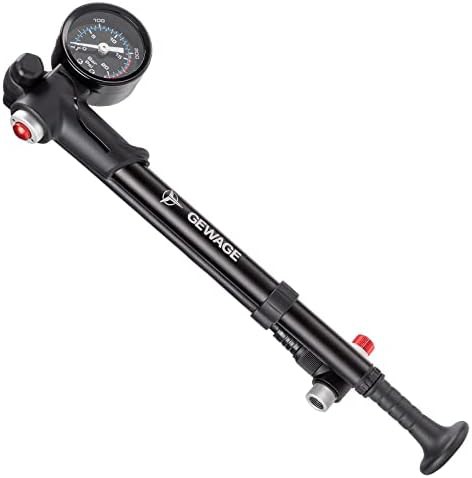
GEWAGE
Silver 300 PSI Suspension Shock Pump
$17.99
Mini pumps With pressure gauges Road Mountain Motorcycle pumps
 8.2
8.2
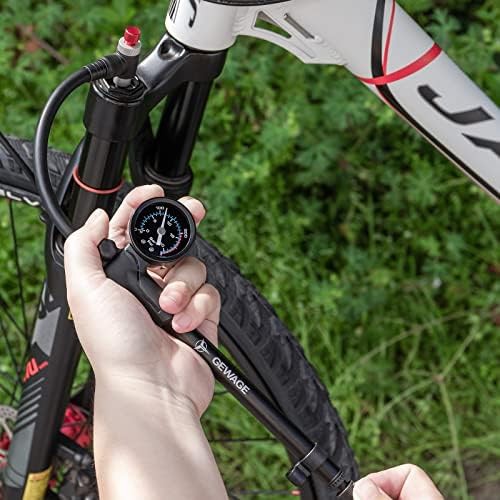
GEWAGE
Black 300 PSI Suspension Shock Pump
$17.99
Black Mini pumps With pressure gauges Road Mountain Motorcycle pumps
 6.8
6.8
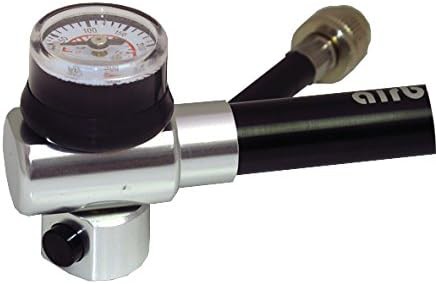
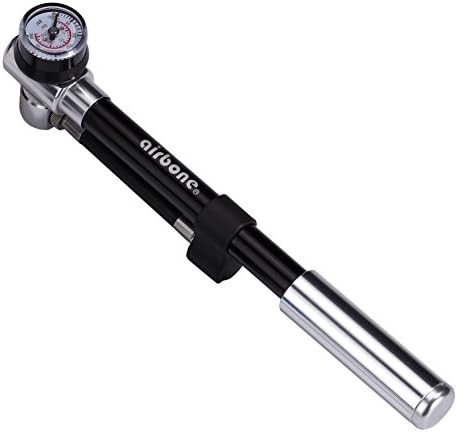
ZAW TIEN PRECISION IND
High Pressure 300 PSI Shock Pump
$38.30
Schrader valve pumps With pressure gauges With hoses 300 PSI pumps
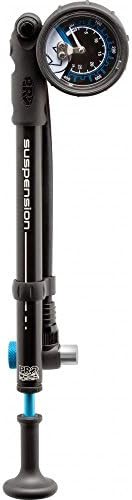
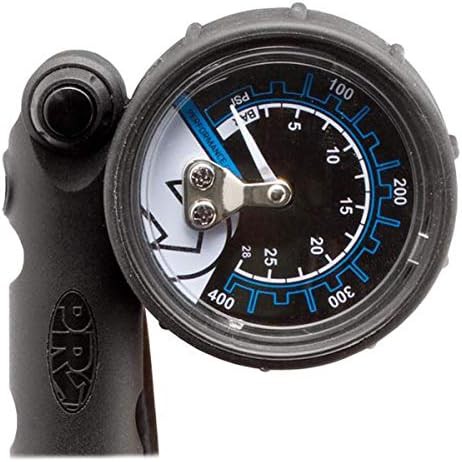
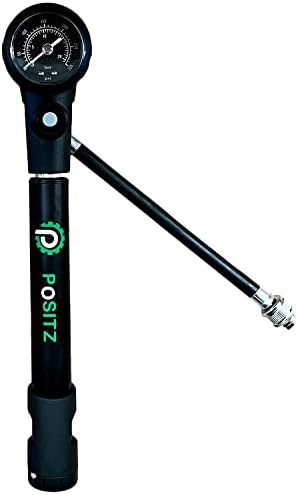
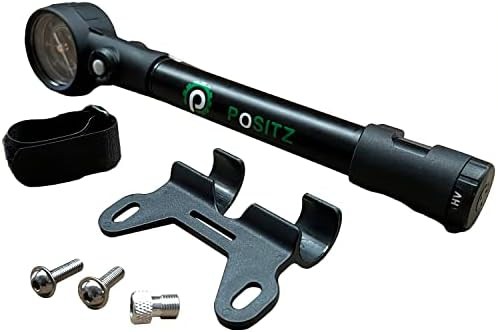
Positz
High Pressure Suspension Shock Pump 300 PSI
$28.99
Presta valve pumps Schrader valve pumps With pressure gauges Mountain With hoses
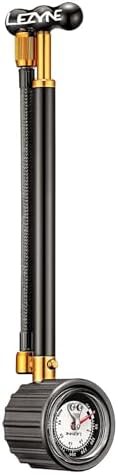
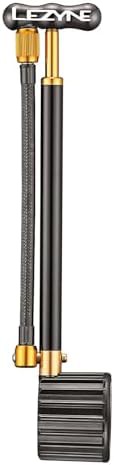


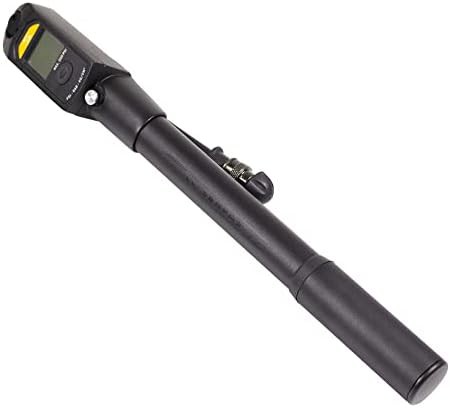
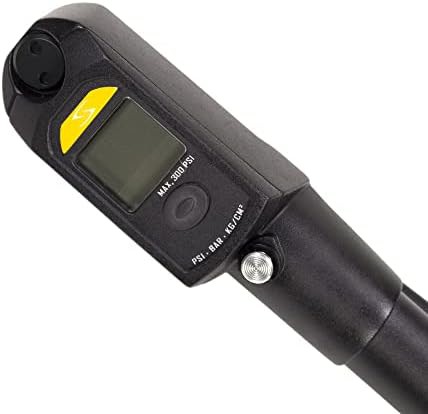
Serfas
Mini shock and tire pump with digital gauge
$76.27
Presta valve pumps Schrader valve pumps Mini pumps With pressure gauges With hoses
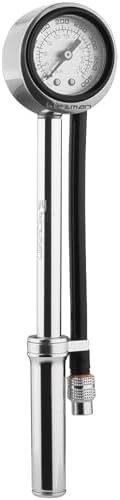
Birzman
Birzman salut aluminum shock pump
$82.99
Schrader valve pumps With pressure gauges Aluminum Silver
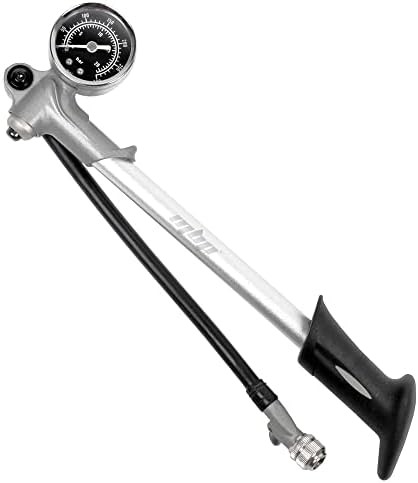
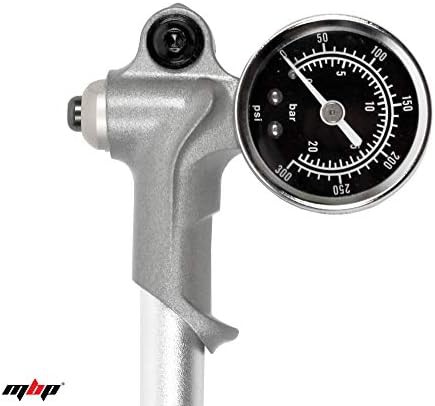
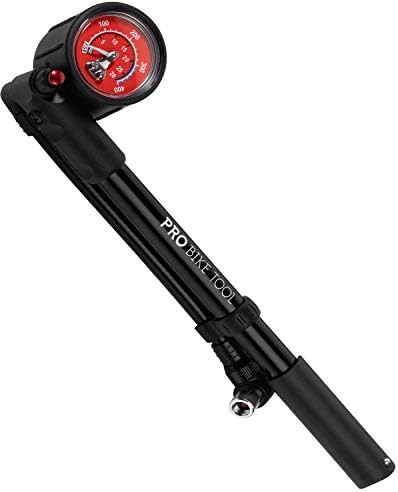
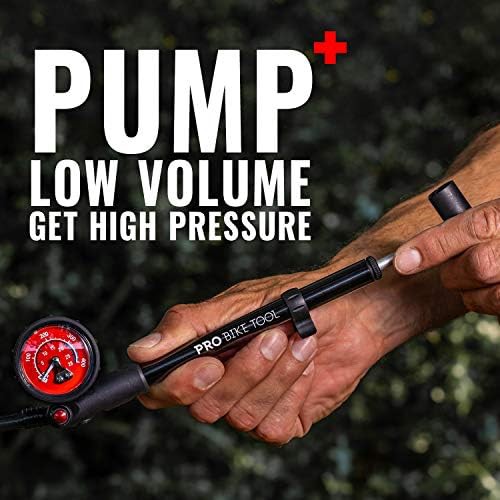
PRO BIKE TOOL
High Pressure Mountain Bike Shock Pump with Gauge
$29.99
With pressure gauges Mountain 300 PSI pumps
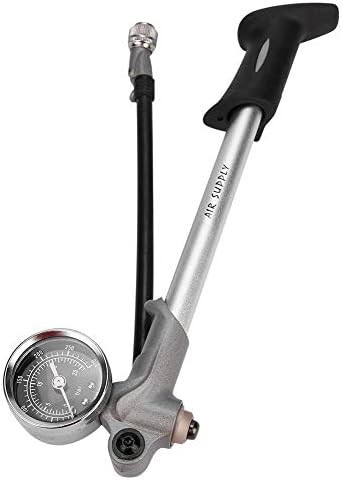
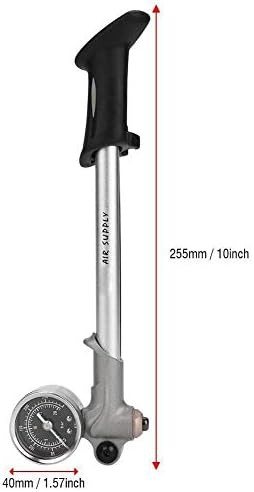
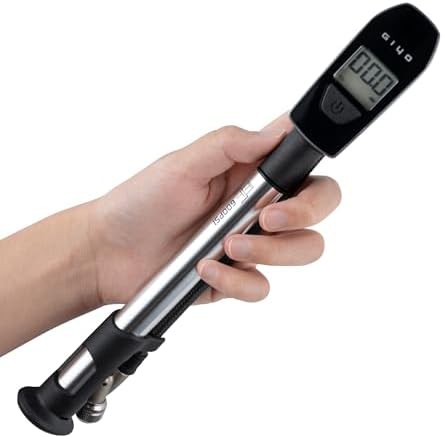
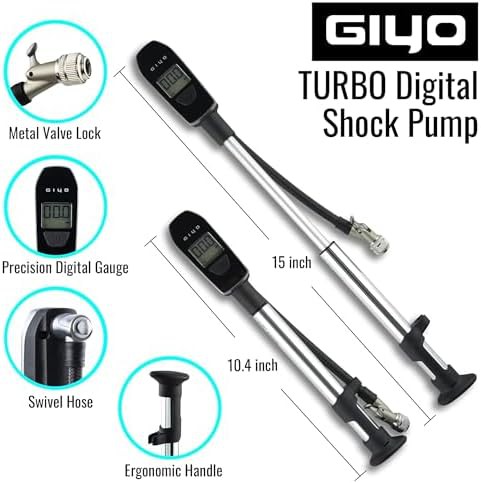
GIYO
Foldable Shock Pump with Lever and Gauge
$33.60
Schrader valve pumps With pressure gauges With hoses 300 PSI pumps
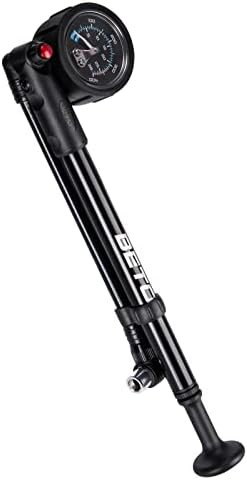
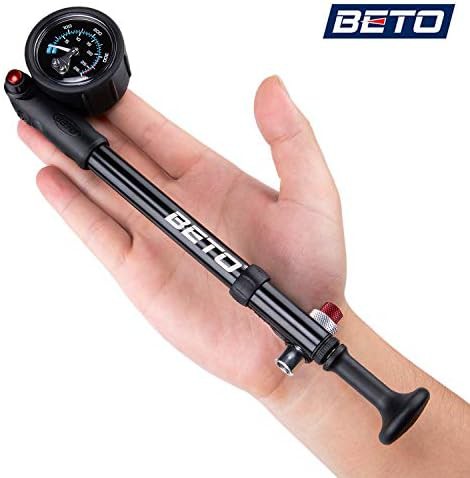
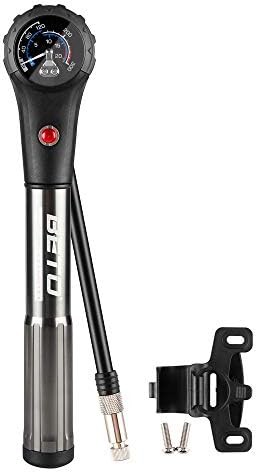
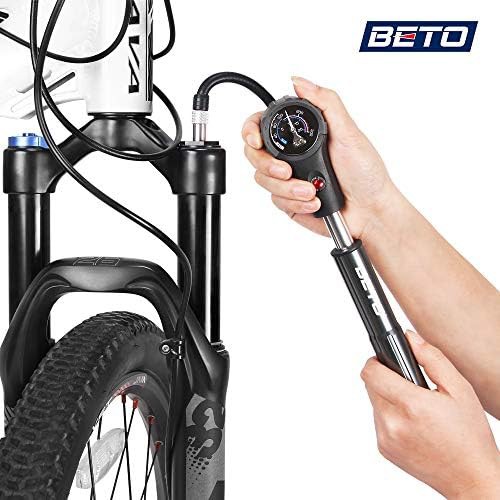
Beto
High Pressure MTB Shock Pump 400 PSI
$27.99
Schrader valve pumps With pressure gauges Mountain With hoses
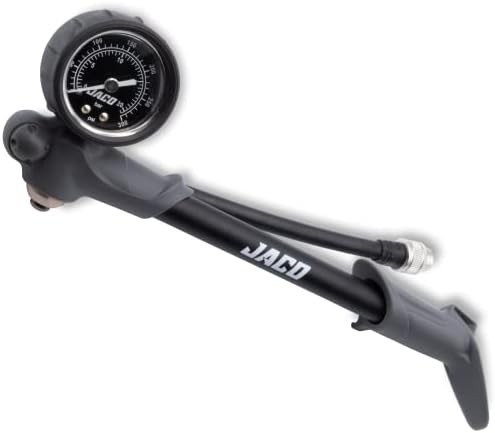
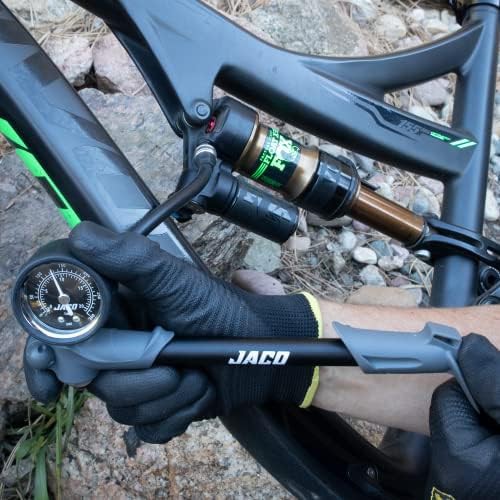
JACO Superior Products
Aluminum mountain bike shock pump
$29.90
With pressure gauges Aluminum Mountain 300 PSI pumps
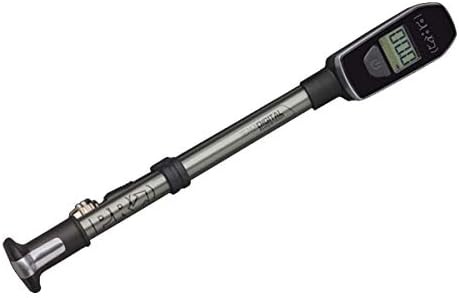

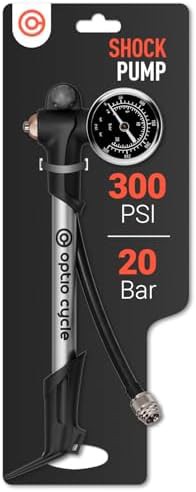
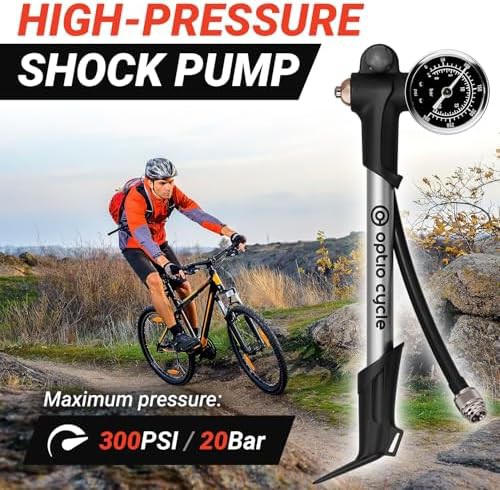
Optio Cycle
High pressure shock pump with gauge
$27.99
Schrader valve pumps With pressure gauges Road Mountain E-
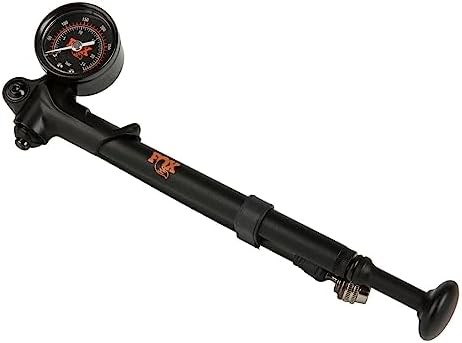
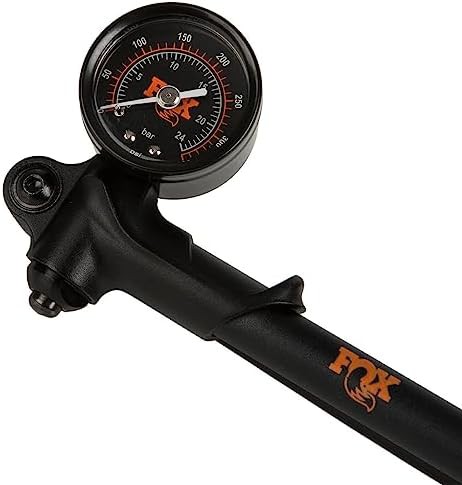

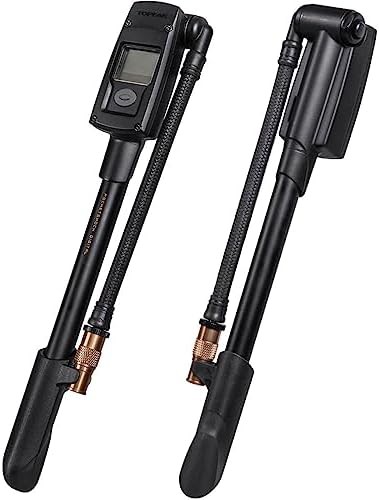
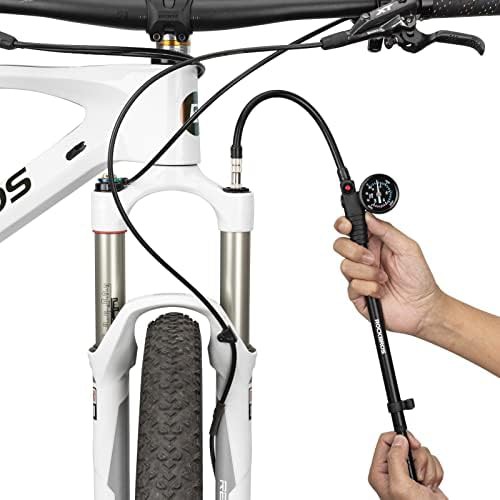
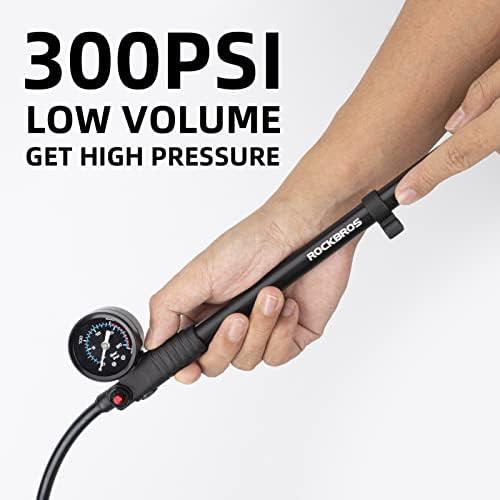
ROCKBROS
High Pressure Shock Pump for Mountain Bikes
$25.99
With pressure gauges Mountain 300 PSI pumps

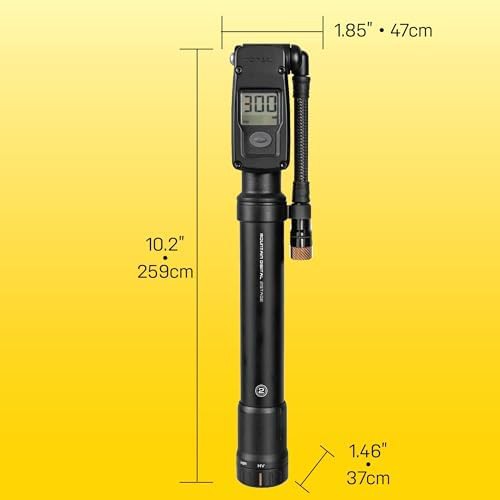
Topeak
Digital gauge two stage shock pump
$87.17
Presta valve pumps Schrader valve pumps With pressure gauges Digital 300 PSI pumps

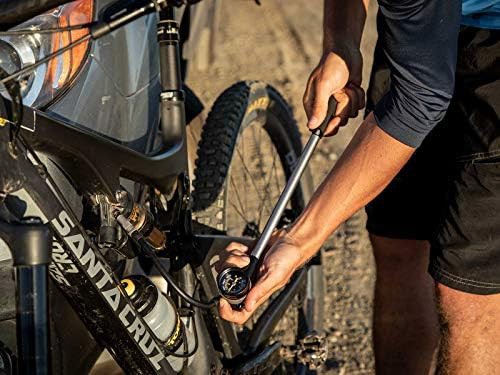
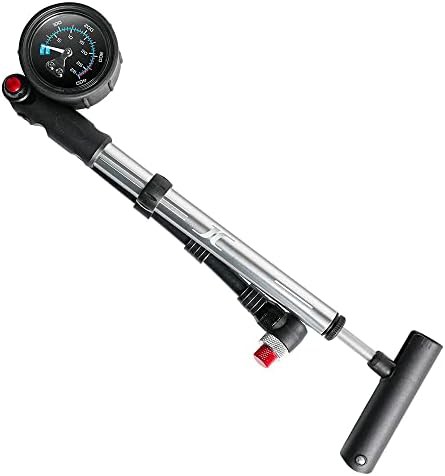
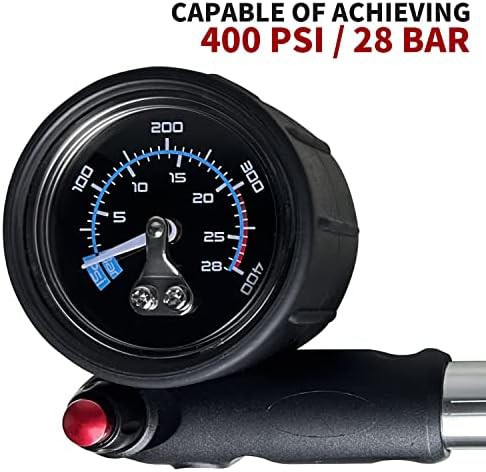
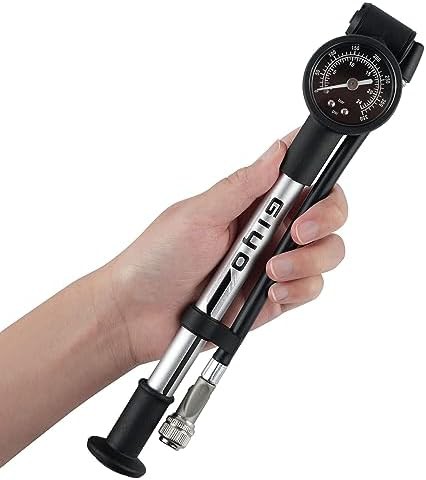
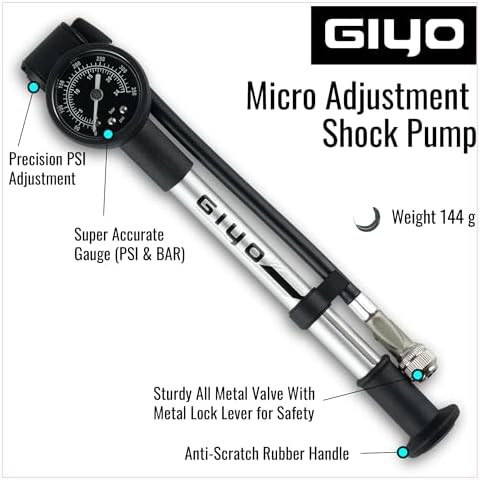
GIYO
High Pressure Shock Pump with Dial Gauge
$29.95
With pressure gauges Aluminum Mountain With hoses
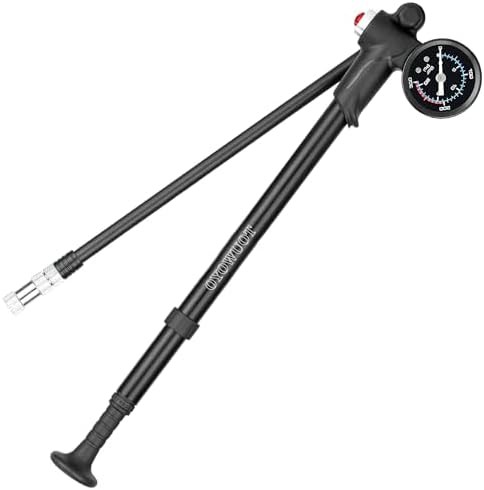
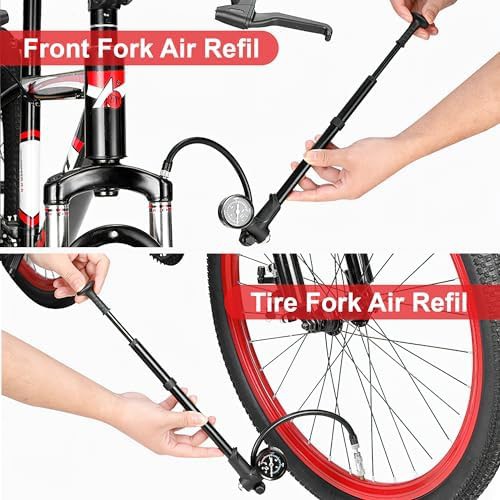
OYOWUOT
Black Aluminum MTB Shock Pump 300 PSI
$15.99
Black Presta valve pumps Schrader valve pumps Mini pumps With pressure gauges Aluminum
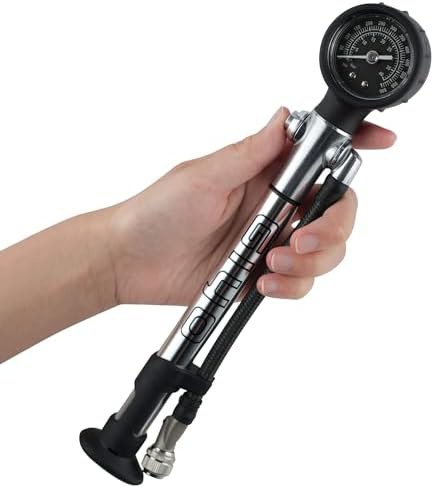
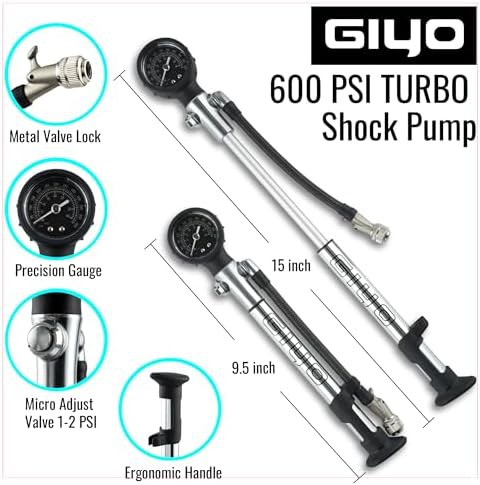
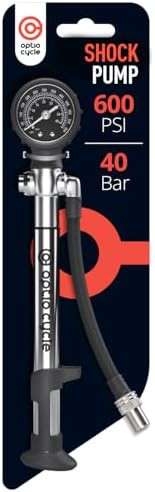
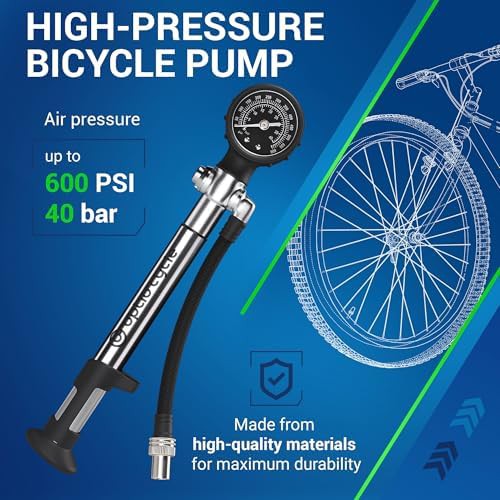
Optio Cycle
Extreme pressure shock pump 600 PSI
$34.99
Schrader valve pumps With pressure gauges Road Mountain E-
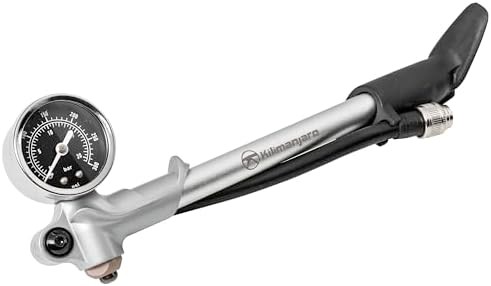
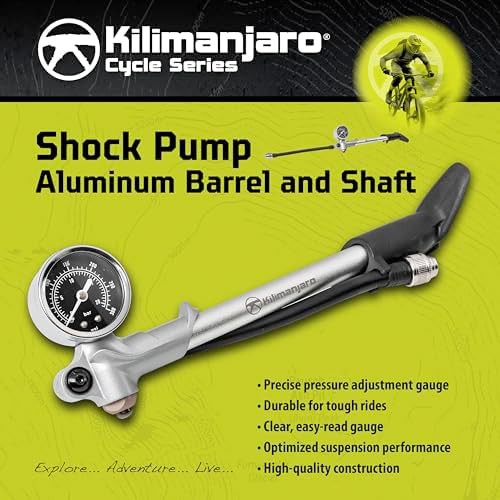
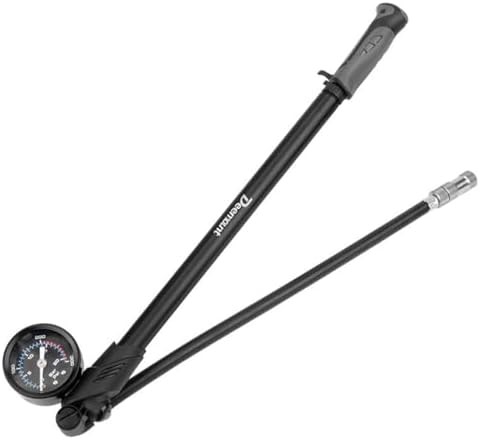
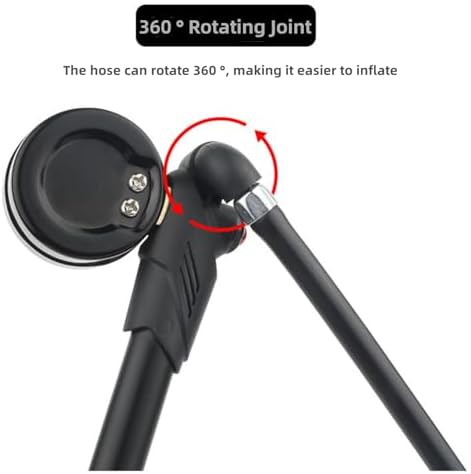
NELboNs
High Pressure 300 PSI Road Shock Pump
$15.99
With pressure gauges Road Mountain Cheap 300 PSI pumps
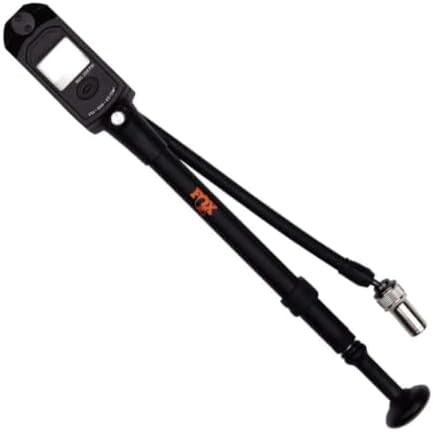
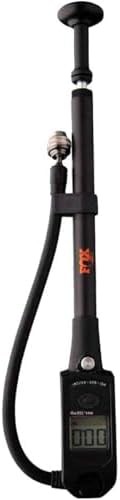
Fox Shox
Digital display mountain bike shock pump
$86.95
With pressure gauges Aluminum Mountain Digital 300 PSI pumps
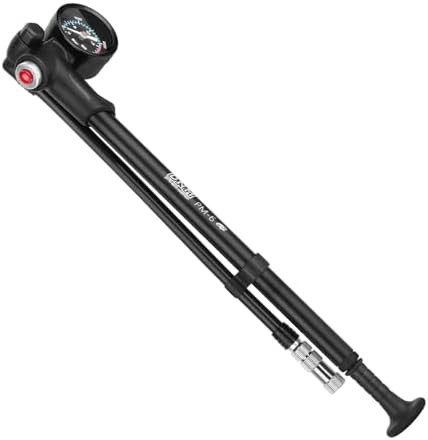
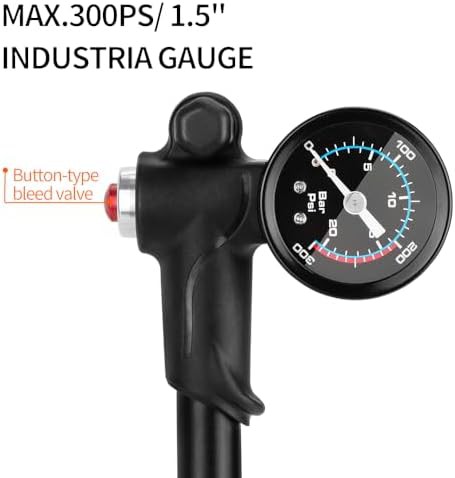
DNM
High pressure shock and suspension pump
$21.99
Mini pumps With pressure gauges Mountain Motorcycle pumps 300 PSI pumps
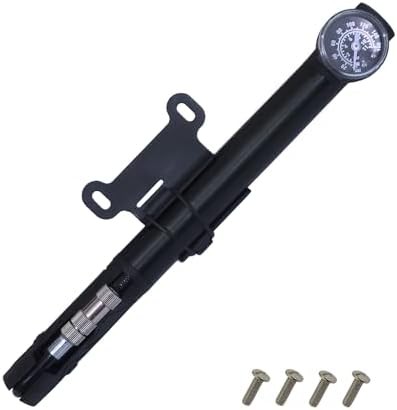
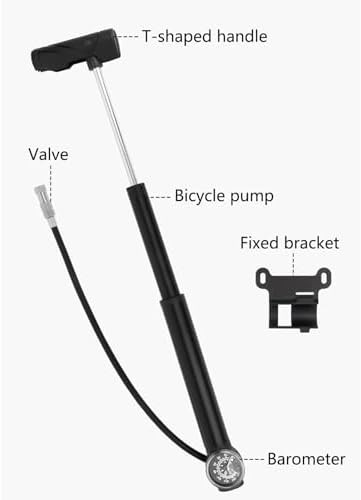
Auto-plaza
Black Aluminum Shock and Tire Pump
$22.99
Black With pressure gauges Aluminum With hoses 160 PSI pumps
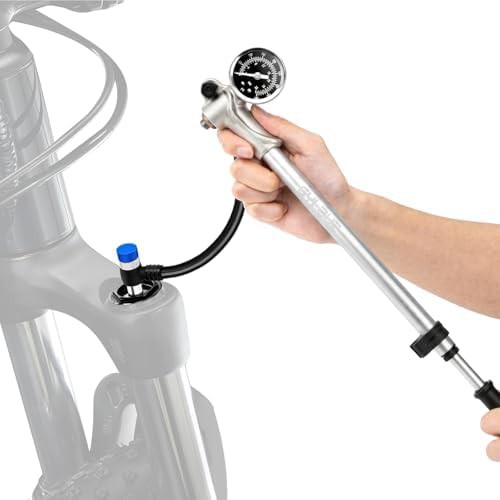
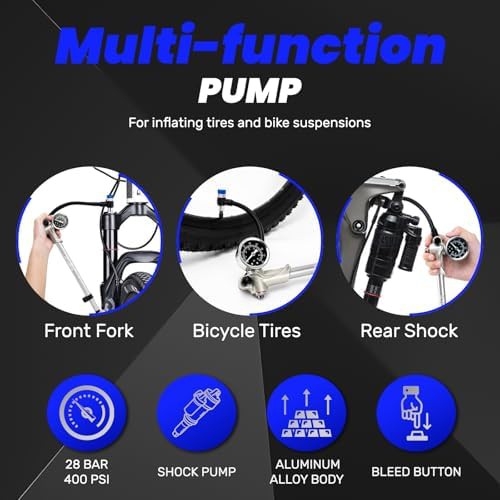
Gylbuz
Mountain Bike Shock Pump with 400 PSI Gauge
$19.99
Schrader valve pumps With pressure gauges Mountain
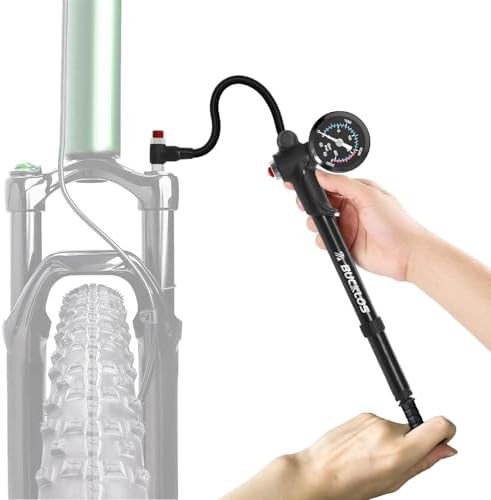
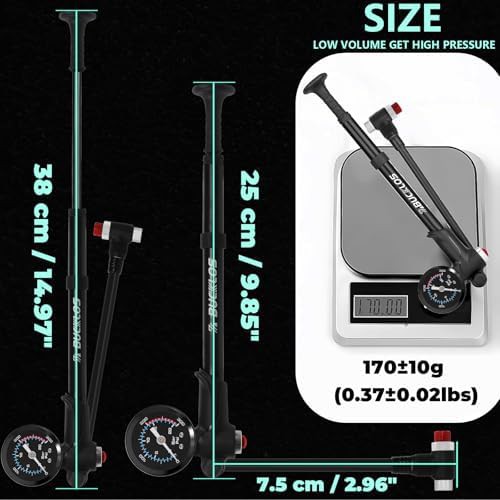
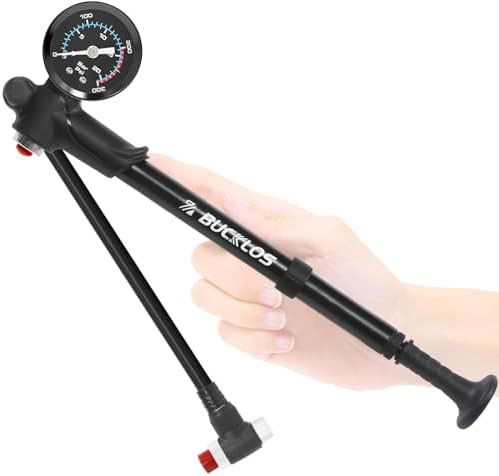
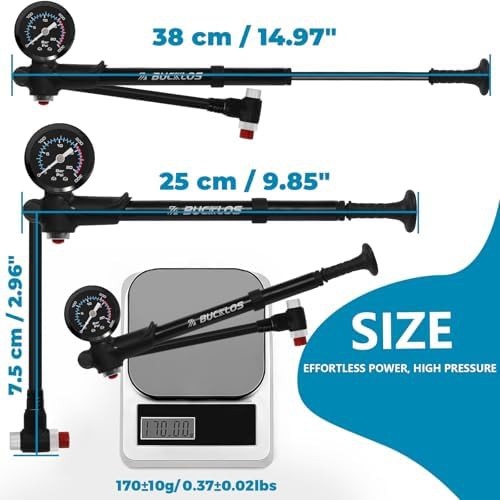
BUCKLOS
Aluminum suspension air fork shock pump
$24.99
With pressure gauges Road Aluminum Mountain Motorcycle pumps
BUCKLOS
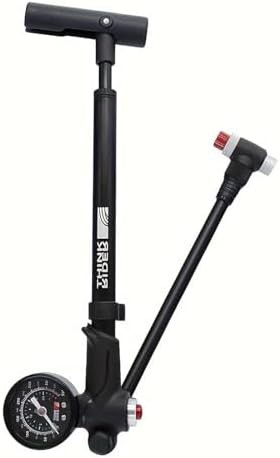
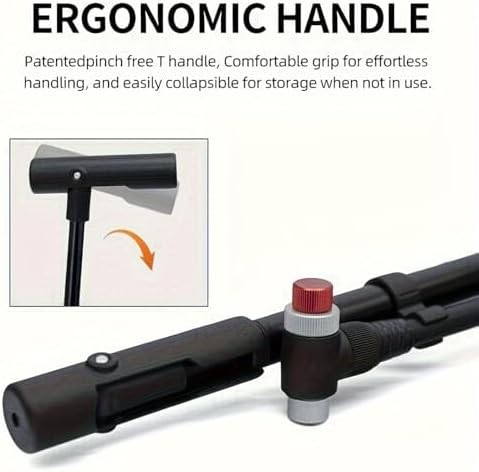
High pressure aluminum road bike shock pump
$21.99
Road Aluminum Mountain Motorcycle pumps 300 PSI pumps
ThinkRider
High Pressure Shock Pump for Bicycle Suspension
$15.99
Presta valve pumps Schrader valve pumps With pressure gauges Road Mountain Cheap
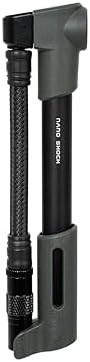
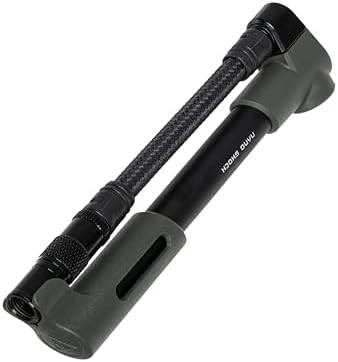
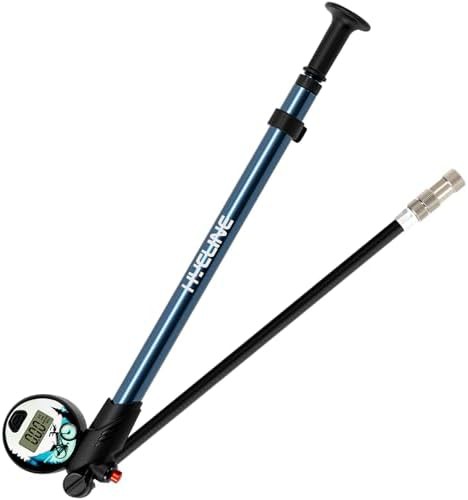
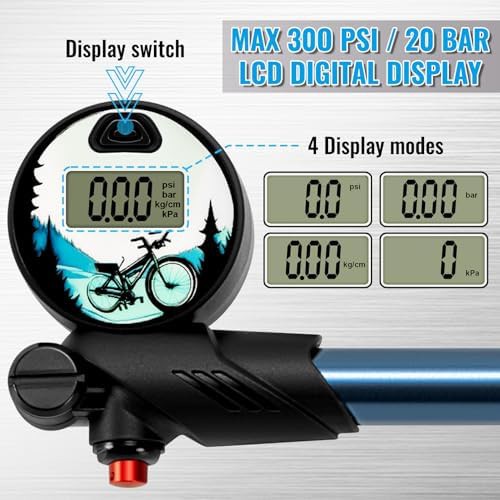
Hycline
Titanium Digital Shock Pump 300 PSI
$25.99
Presta valve pumps Schrader valve pumps Road Mountain Digital
High pressure tools for suspension tuning
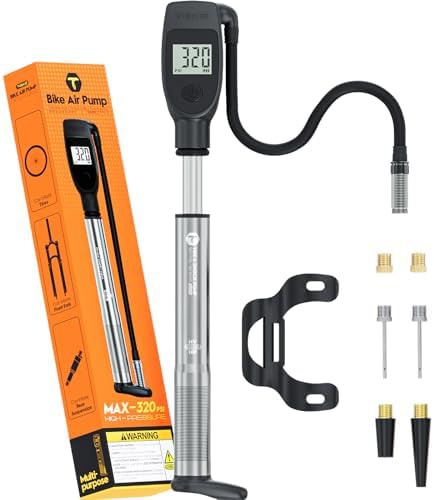
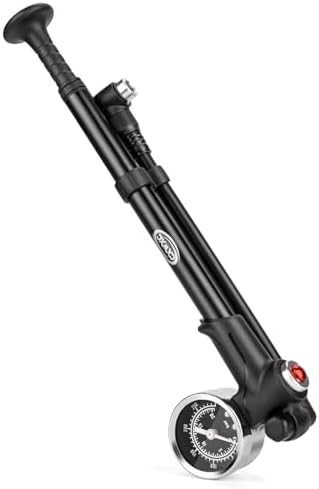
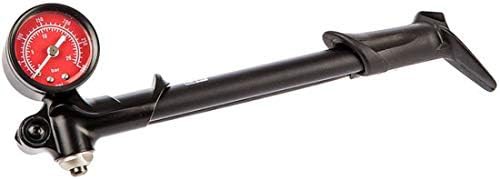
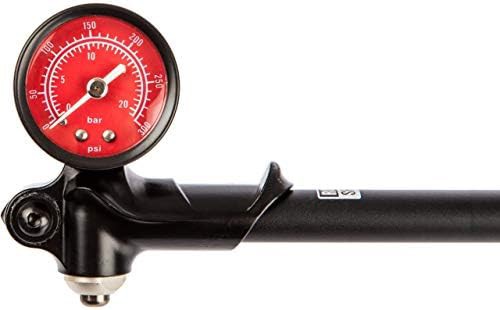
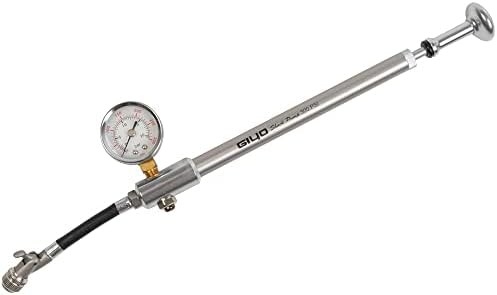
Suspension tuning requires specialized tools capable of reaching extremely high pressures that standard tire pumps cannot achieve. Shock pumps are designed with small internal bores to move tiny amounts of air at pressures up to 600 PSI. These tools are essential for adjusting the sag and rebound characteristics of mountain bike forks and rear shocks.
Unlike tire pumps, these feature flexible high-pressure hoses and threaded chucks to ensure a secure connection to Schrader valves. The small volume per stroke allows for fine-tuning in 1 or 2 PSI increments, which is necessary for sensitive air springs.
Digital and analog suspension pump features
This collection features tools for precise suspension maintenance and trailside adjustments:
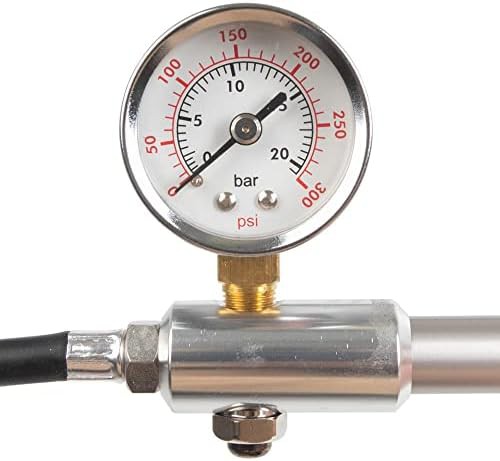
- Digital gauges for exact PSI measurements in 0.5 increments
- High-capacity analog pumps reaching 300 to 600 PSI
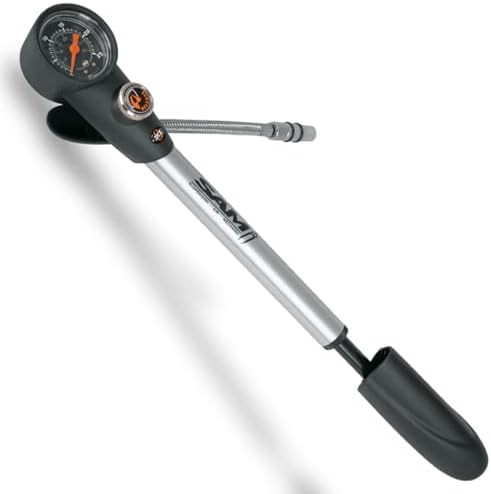
- Micro-bleed buttons for releasing small amounts of air
- Compact hand-held designs for trailside adjustments
- Swivel hoses to reach recessed valves on complex frames
Best practices for shock adjustment
When tuning, always clean the valve area to prevent dirt from entering the air chamber. Thread the pump chuck onto the Schrader valve until the gauge shows a reading. Use the bleed valve to drop the pressure slowly if you overshoot your target. Refer to RockShox or LEZYNE specifications for maximum pressure limits on specific suspension models.
Q: Can I use a regular tire pump on my fork? A: No, standard pumps cannot reach the high PSI required for suspension. They also lack the micro-adjust bleed valve needed for precise tuning. Q: What is the benefit of a digital gauge? A: Digital gauges provide precise readings for repeatable suspension setups. Analog needles are harder to read at very high pressures. Q: Will air leak when I unscrew the pump? A: Most shock pumps use a no-leak head to prevent air loss from the shock. The hiss you hear is air escaping the pump hose, not the suspension. Q: How high should I pump my rear shock? A: Pressure depends on your weight and the frame design. Check the manufacturer chart on your fork or shock for the recommended PSI.